[Post title]
[Two lines of the opening, or a summary of what the piece is about.]
Read →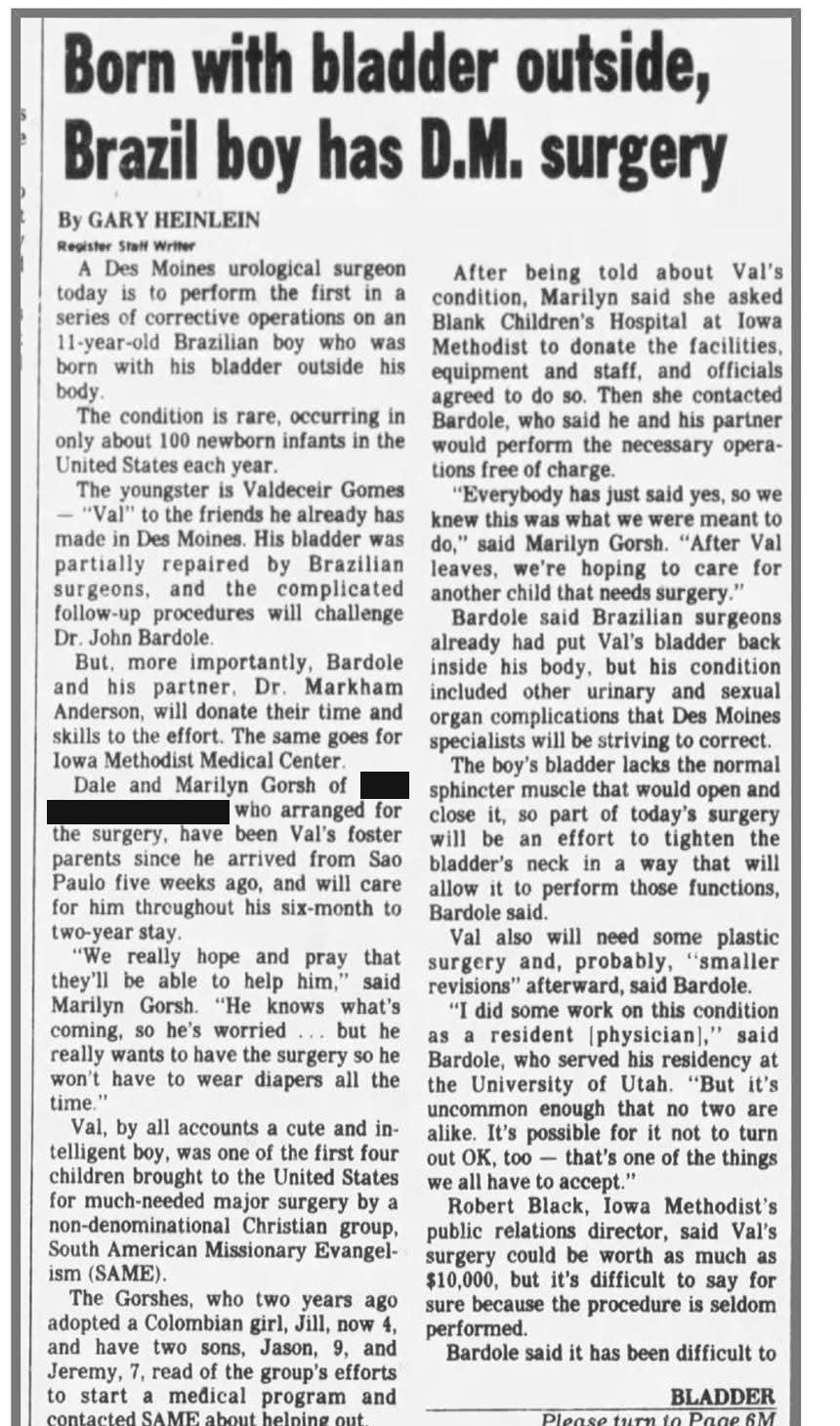
Val Gorsh · Author & Speaker
Eleven years old, an ocean from the only home he knew, and a city full of strangers who said yes. [Draft — rewrite this in your voice.]
[One line in your own words — the sentence you'd want on the back of the book.]Val Gorsh
The Story
Born with his bladder outside his body — a condition that shows up in roughly one newborn in fifty thousand. Brazilian surgeons did what they could. It wasn't enough, and everyone knew it.
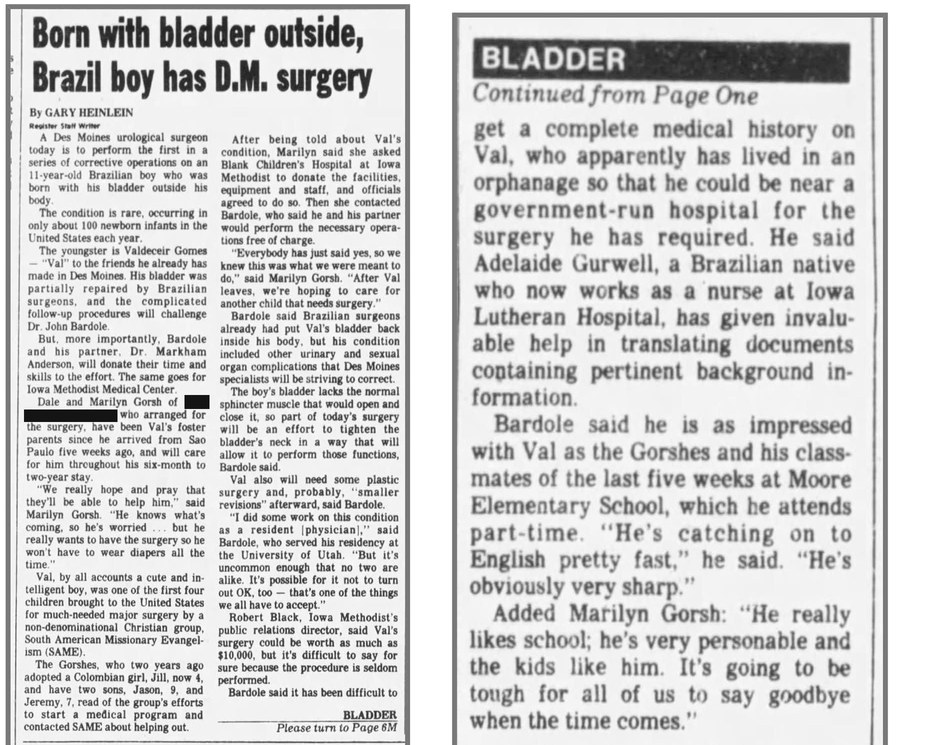
The newspaper called it an orphanage. It was FEBEM — São Paulo's state institution for minors, which until Brazil's 1990 child statute held abandoned children inside the same walls as juvenile offenders. He was there because he had no family and a body that needed a hospital. Not because he had done anything.
[Your words go here. This is the chapter nobody in Des Moines was told.]
Five Brazilian children got off one plane, each carrying something different — a heart whose valves wouldn't open, eyes that had never seen, a throat burned shut, a bladder that had never been inside a body. Waiting in the terminal were the families who had agreed to take them in. They met them there, and were separated there. Val was eleven and spoke no English.
Three of the five went home to Brazil. Two never left. The other boy from Val's institution saw him once more, two or three years later, and then never again.
Two surgeons donated their time. A hospital donated its rooms, its equipment, and its staff. Nobody sent a bill. "Everybody has just said yes," his foster mother told the paper the morning of the operation, "so we knew this was what we were meant to do."
Pelvic osteotomy. The plain version: to put his bladder inside his body where it belonged, surgeons first had to cut through his pelvis and rotate it closed around the bladder. He was thirteen. He came out of it in a body cast and stayed in it for six months.
[What those six months were actually like. This one only you can write.]
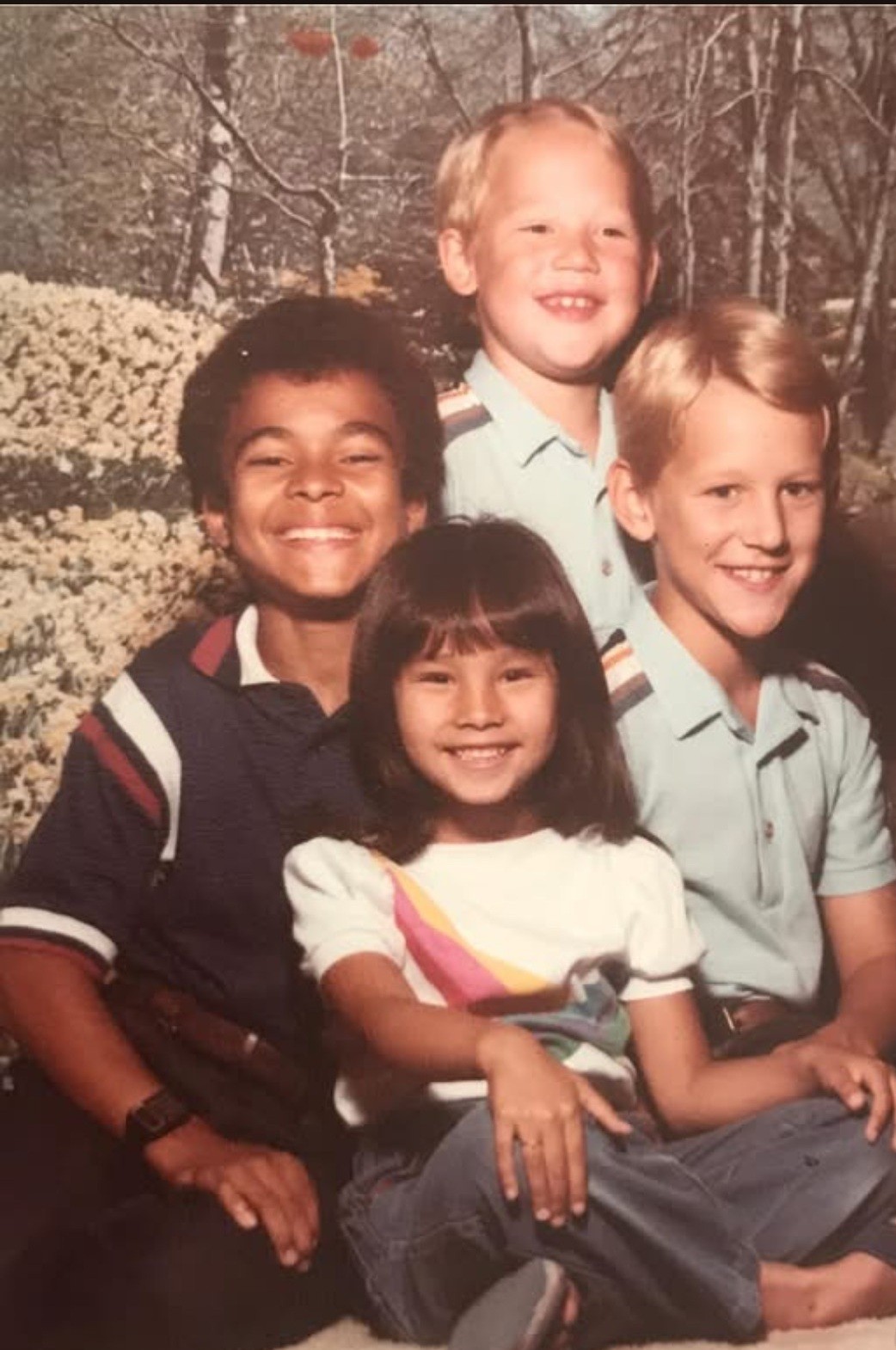
He had come on a stay meant to last six months, maybe two years. Four years in, the Gorshes adopted him. Valdeceir Gomes became Val Gorsh — the name he has carried ever since, and the one at the top of this page.
[The article ends with Marilyn saying it would be tough to say goodbye. Tell this part yourself — what it was like when goodbye stopped being the plan.]
Ten years and three weeks after he came off a plane in Minneapolis speaking no English, the country that had taken him in to repair his body made him one of its own.
Eight years to the day since surgeons opened his pelvis in Iowa City. The same date, twice — once for the body, once for the country.
[What you're doing now — the work, the family, the speaking. And what you want the book to do for the person who reads it.]
Ongoing
The newspaper made it sound like a story with a finish line — a few operations, a boy goes home. [Rewrite this in your own words.] The photograph below the fold was taken four days ago.
The images below are medical. Click to view.


About Val
[Third-person bio, 120–180 words — this is the one journalists, event organizers, and podcast hosts will copy and paste, so write it to be liftable. Open with who you are and what you're known for. Middle: the credentials, the work, the numbers if you have them. Close with something human — where you live, what you do when you're not working.]
[Optional second paragraph for the details that don't fit above.]
Val Gorsh
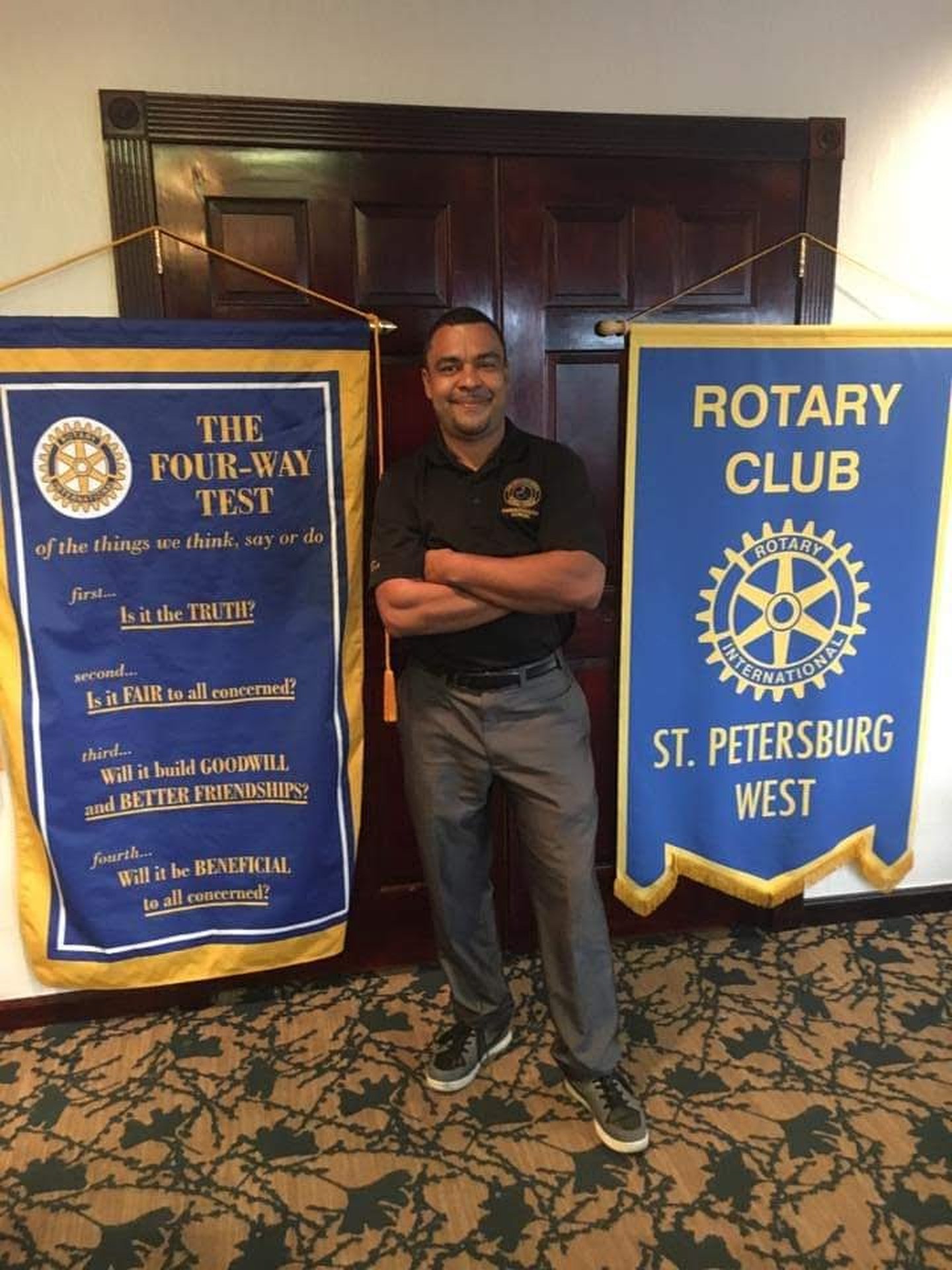
Speaking
[One or two sentences on what you're like on a stage and what an audience gets out of it — keynotes, corporate events, service clubs, conferences.]
From the Room
[A real line from someone who heard you speak. One to three sentences — the shorter the stronger.]
[Second quote. Pick ones that say different things — one about the story, one about how you held the room, one about what they took home.]
[Third quote.]
The Book
[One paragraph on what the book is about — the situation you started in, the turn that changed it, and what a reader walks away with. Two or three sentences. Write it the way you'd say it out loud to someone across a table.]
[Second paragraph — who this book is for. The reader who's in the middle of something hard and needs to hear from someone who came out the other side.]
The first people to read it will be the ones on this list. No launch noise, no countdown — one note when there's something real to read.
Tell Me When It's Ready →From the Work in Progress
Open the excerpt here with the first real paragraph of your book. Pick a passage that puts the reader inside a specific moment — a room, a time of day, something you could touch — rather than a summary of what the book is about. Roughly two hundred words is the sweet spot: long enough to prove the voice, short enough that they'll want the rest.
[Second paragraph. This is where the voice does its work. Keep the sentences the length you'd actually say them.]
· · ·
[A third short passage, after the break — ideally the line that makes someone decide to buy the book. End on something that lands.]
Journal
[Two lines of the opening, or a summary of what the piece is about.]
Read →[Two lines of the opening, or a summary of what the piece is about.]
Read →[Two lines of the opening, or a summary of what the piece is about.]
Read →Stay in Touch
Chapters as they're finished, notes from the road, and word the day it's ready to read. [Adjust this line to match how often you'll actually write — a promise you can keep beats an ambitious one.]
No spam. Unsubscribe any time. · Media & speaking: valgorsh@valgorsh.org